Co-working vs Traditional Office Leases: What's Right for Your Team Size

Here's a breakdown of how the two options compare, and which one tends to work best at different stages.
What Co-working Spaces Offer
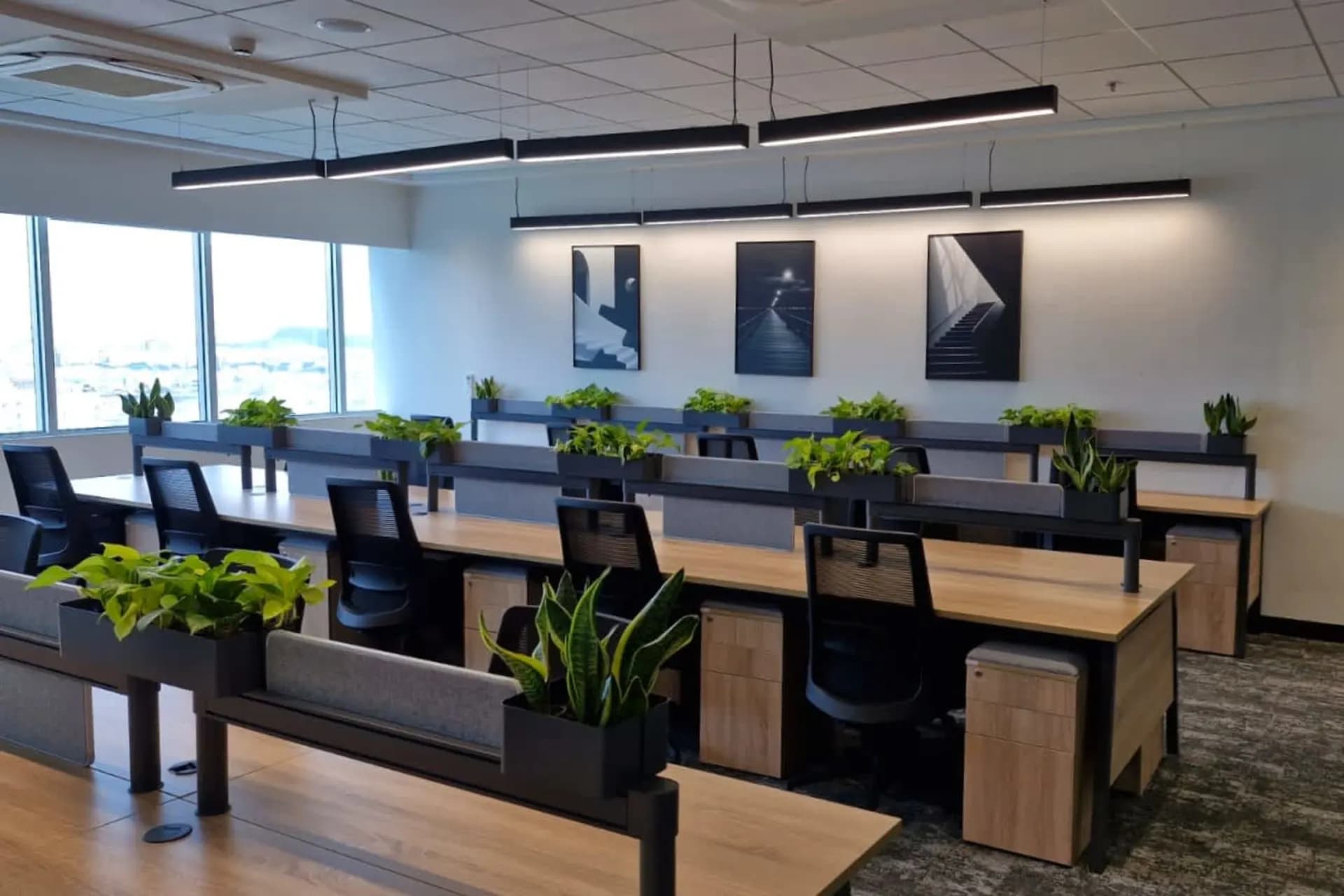
Co-working spaces are built for flexibility. You typically pay per seat or per desk, sign shorter agreements, and get access to shared amenities like meeting rooms, internet, pantry, and reception without setting any of it up yourself.
This works well for:
- Small teams of 1 to 15 people who don't yet have predictable headcount
- Startups testing a new city or market before committing long-term
- Businesses that want to avoid upfront capital spend on furniture, interiors, or IT setup
- Teams that need a professional address and meeting spaces without managing an office
The trade-off is cost per seat is usually higher over the long run, branding options are limited, and you're sharing infrastructure with other companies. Privacy, especially for client-sensitive work, can also be a constraint.
What Traditional Office Leases Offer
A traditional lease means renting a dedicated space, usually for three to nine years, that you design, brand, and manage entirely on your own terms.
This tends to make more sense for:
- Teams of 30 or more, where the per-seat cost of co-working starts to outweigh its flexibility
- Companies with stable or predictable headcount growth
- Businesses that need full control over layout, security, and branding
- Organizations where client meetings or confidentiality require a dedicated space
The trade-off here is longer commitment, upfront capital for interiors and infrastructure, and less flexibility if your team size changes quickly.
The Middle Ground: Managed Offices
For teams roughly in the 15 to 50 range, managed office spaces are worth considering. These offer a dedicated, brandable space with shorter lock-in periods than a conventional lease, often with interiors and infrastructure already in place. It's a way to get some of the control of a traditional lease without the long-term commitment.
How to Decide Based on Team Size
- Under 15 people: Co-working usually makes the most financial and operational sense
- 15 to 50 people: Managed offices offer a practical middle path
- 50+ people with stable growth: Traditional leases typically become more cost-effective and give you the control a larger team needs
Team size is a starting point, not the only factor. Growth trajectory, budget certainty, and how client-facing your work is all matter too. A fast-growing startup with 20 people today might outgrow a co-working space within a year, while a stable 40-person team might prefer the predictability of a lease.
Getting the Decision Right
The cost of getting this wrong isn't just financial. Signing a long lease too early can lock a growing team into space that doesn't fit six months later. Staying in co-working too long can mean paying more per seat than a dedicated office would cost, along with losing the ability to build a space around your own culture and workflow.
Working with a tenant-only representation model, without brokerage fees, means the advice you get is based on what fits your team, not on which listing pays a bigger commission. That distinction matters when the decision has this much impact on cost and operations.
Frequently Asked Questions
Is co-working cheaper than a traditional office lease? For small teams, yes, since there's no upfront capital spend on interiors or furniture. As team size grows past 30-40 people, the per-seat cost of co-working often exceeds what a traditional lease would cost.
How long is a typical traditional office lease in Pune? Most commercial office leases in Pune run three to nine years, with lock-in periods typically between three and five years.
Can a company switch from co-working to a traditional lease later? Yes, this is a common path. Many companies start in co-working spaces while headcount is uncertain, then move to a dedicated leased office once growth stabilizes.
What is a managed office space? A managed office is a dedicated, ready-to-use space that combines some flexibility of co-working with the control and branding of a traditional lease, usually with shorter commitment terms than a conventional lease.
Does team growth rate matter more than current team size? Often, yes. A team growing quickly may need more flexibility even at a small size, while a stable team of the same size might benefit more from the cost efficiency of a lease.
Ready to find the right office space for your team? Get in touch with Which Floor for zero-brokerage guidance tailored to your team size and growth plans.
Frequently Asked Questions
Common queries related to commercial real estate & office leasing.