How to Choose Between Co-Working and Traditional Office Leasing in Pune
Co-Working vs Traditional Office in Pune: A Practical Guide to Choosing the Right Space
Pune is booming — startups in Kalyani Nagar, IT firms in Hinjawadi, manufacturers in Chakan — and where your team works matters. Co-working and traditional leased offices both have real advantages. The right choice depends on your company’s stage, budget, culture, and operational appetite.
Below is a clear, no-nonsense comparison and a simple decision framework to help you choose the right workspace.
What Each Model Means
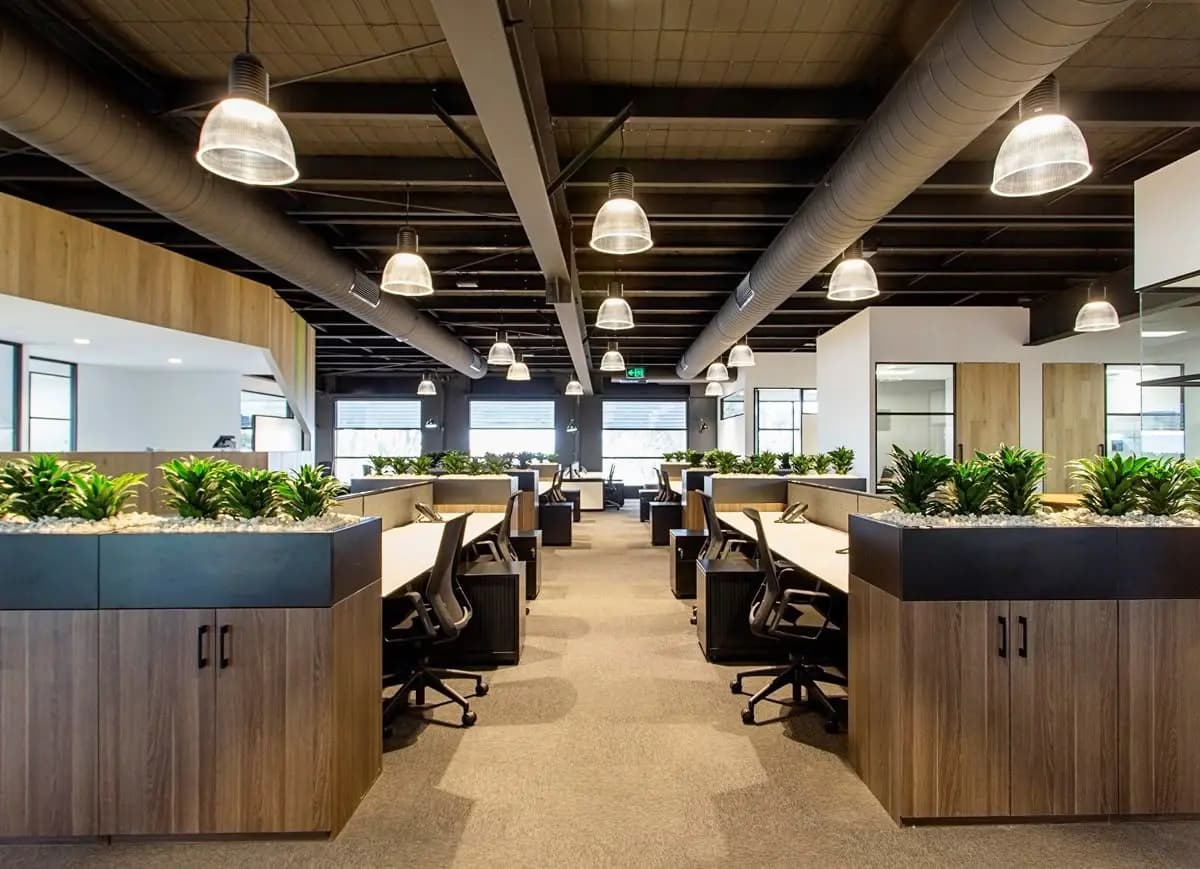
Traditional leased office: You sign a long-term lease (usually 3–9 years) for an empty or fitted space. You manage fit-out, furniture, internet, cleaning, and facilities. This offers complete control but higher responsibility.
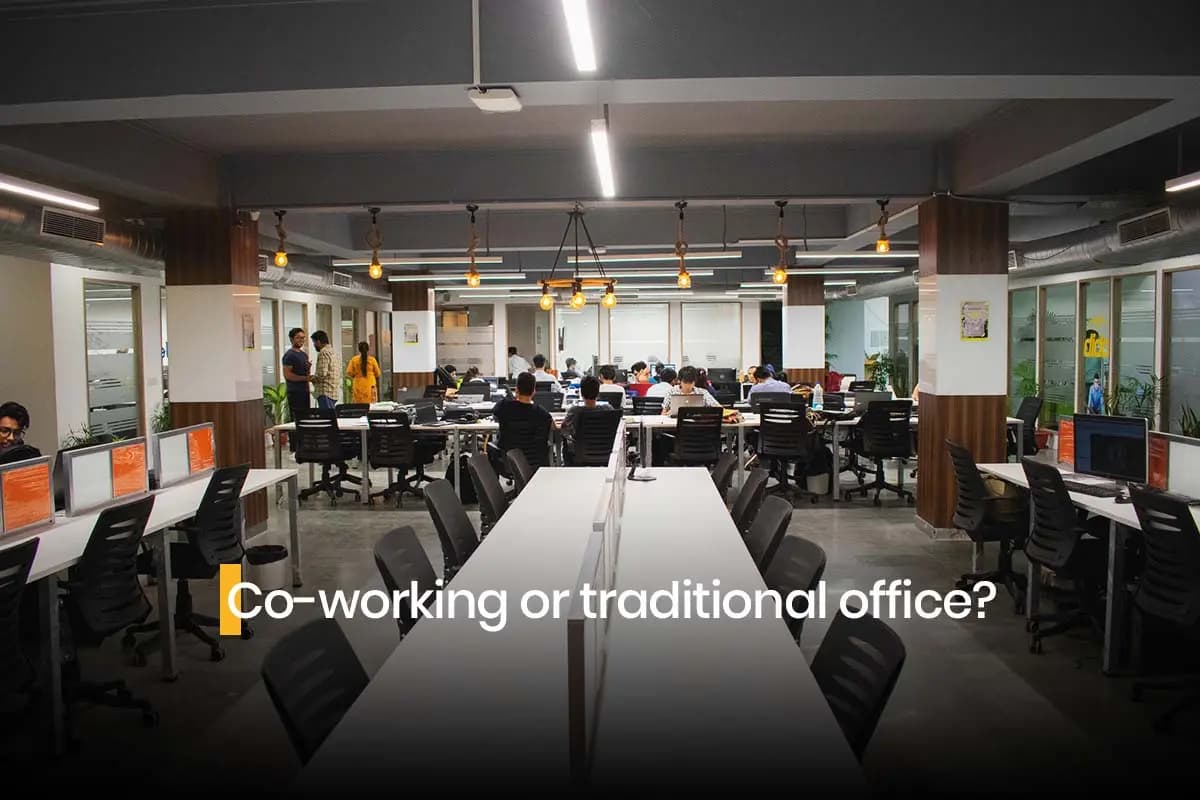
Co-working space: Flexible memberships for desks, cabins, or private suites on short-term commitments. Internet, meeting rooms, reception, cleaning, and amenities are managed by the operator.
Head-to-Head: Pros and Cons
Flexibility & Commitment
Co-working: Ideal for fast-changing teams. Scale up or down easily with short commitments.
Traditional: Long lock-in periods. Early exits are costly and complex.
Cost Structure
Co-working: OpEx model with predictable monthly costs and minimal upfront investment.
Traditional: CapEx-heavy with security deposits, fit-out, furniture, and ongoing maintenance. While rent per sq ft may be lower, first-year costs are higher.
Amenities & Operations
Co-working: Plug-and-play infrastructure including high-speed internet, meeting rooms, reception, cleaning, and events.
Traditional: Full control but requires managing vendors, facilities, and utilities.
Branding & Customization
Traditional: Best option for a branded, customized office aligned with company culture.
Co-working: Limited branding; shared spaces dilute visual identity.
Networking & Community
Co-working: Built-in ecosystem with events and cross-company interactions.
Traditional: Private, inward-facing environment suited for focused teams.
Who Should Pick What? Simple Checks
Team Size & Growth Plans
Choose co-working if you are a startup or small team (<50) with uncertain growth.
Choose traditional leasing if you are a stable organization with predictable headcount (50+).
Budget & Cash Flow
Co-working suits businesses seeking low upfront costs and predictable monthly expenses.
Traditional offices work better if you can deploy capital upfront and aim for lower per-seat costs at scale.
Branding & Culture
Traditional offices are ideal if you need deep customization to reflect your brand.
Co-working works if operational ease and community matter more than interiors.
Operations Management
Pick co-working if you don’t want to manage vendors and facilities.
Pick traditional if you have in-house facilities teams or are comfortable managing logistics.
Location & Prestige
Co-working offers access to premium Pune locations like Kharadi, Viman Nagar, and SB Road at lower costs.
Traditional offices provide exclusivity and permanence but come at a premium in prime areas.
Practical Tips for Pune
- Need quick presence in Kharadi or Baner? Start with a co-working private suite.
- Building a brand-heavy or client-facing HQ? Invest in a traditional office.
- Consider a hybrid approach: HQ in a traditional office with satellite co-working spaces.
- Negotiate aggressively — notice periods, rent-free fit-out time, escalation caps, and meeting-room credits.
- Always account for hidden costs: deposits, taxes, parking, power backup, and AMC.
Quick Decision Checklist
- Current and projected headcount
- Growth predictability
- Need for branding and permanence
- Available upfront capital
- Facilities and IT management capability
- Importance of location for clients and hiring
Bottom Line
For startups and fast-growing teams, co-working often wins in Pune due to speed, flexibility, and community. For established firms needing control, customization, and long-term efficiency, traditional leasing remains the better choice.
Match your workspace to your business priorities — not trends — and you’ll create an environment where your team can truly perform.