Commercial Real Estate Trends in Pune for 2025 & Beyond
Pune’s commercial real estate market is entering a new phase of transformation. The future is no longer just about office buildings — it is about intelligent, sustainable, and human-centric business ecosystems.
As we move into 2025 and beyond, here are the key trends shaping Pune’s commercial property landscape.
1. The Hybrid Work Model is Here to Stay
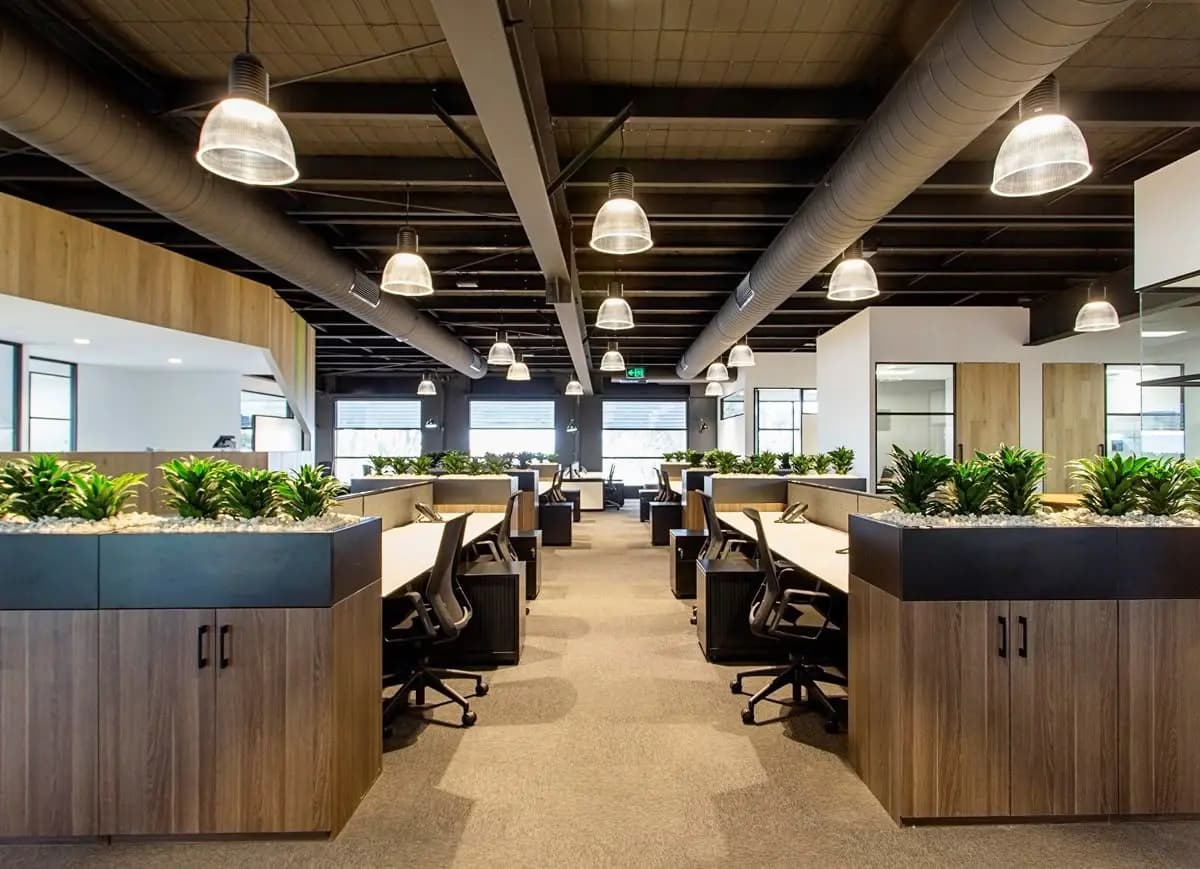
The hybrid work model has permanently redefined the purpose of office spaces. Offices are evolving from traditional desk-heavy layouts into collaboration hubs designed for teamwork, innovation, and culture-building.
Companies are now prioritizing:
- More meeting rooms and huddle spaces
- Collaborative breakout areas
- Flexible seating layouts
- Experience-driven work environments
This shift is accelerating the “core-and-flex” strategy — a central headquarters in prime hubs like Kharadi or Hinjewadi, supported by smaller satellite offices in suburban areas such as Wakad and Ravet.
2. The Flex Space Revolution Continues
Flexible workspaces — coworking and managed offices — are witnessing sustained growth in Pune. Startups, SMEs, and even large enterprises are opting for agile leasing solutions.
By the end of 2025, flexible space operators are expected to account for a significantly higher share of total office leasing activity in Pune.
Traditional landlords are also adapting by offering shorter lease tenures and plug-and-play options to stay competitive.
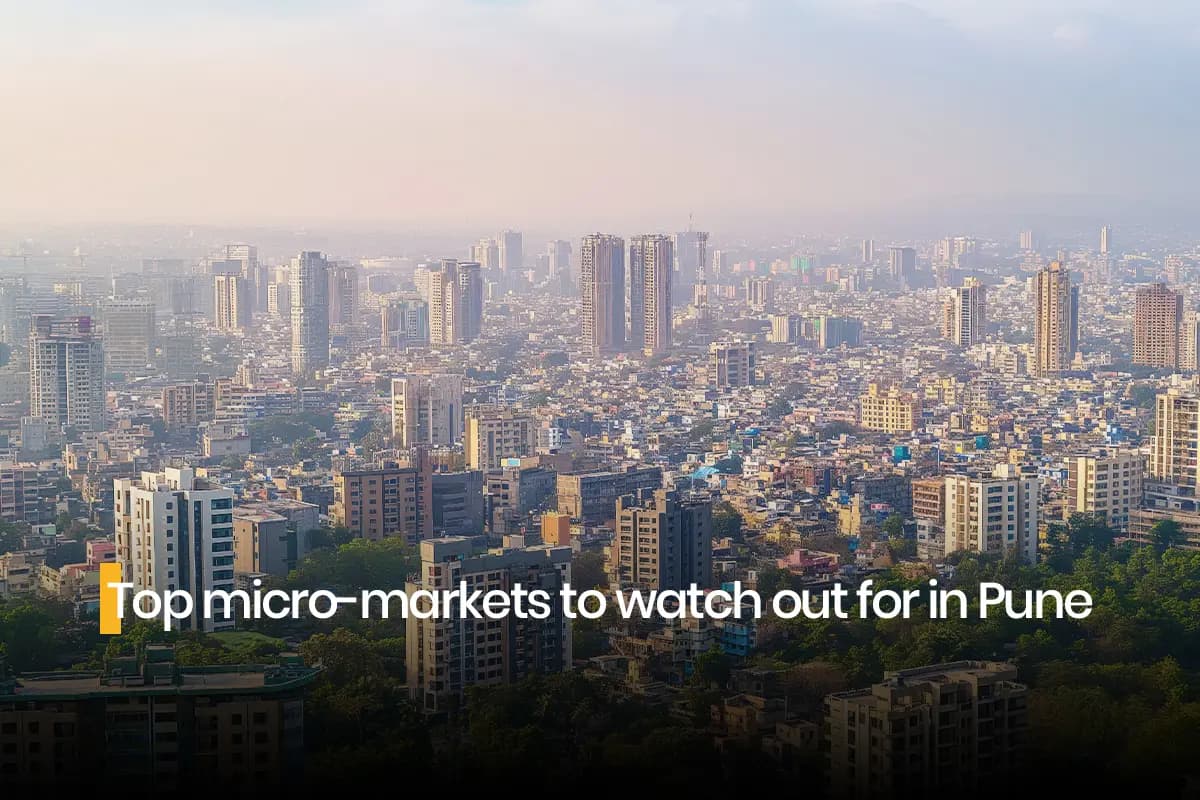
3. Emerging Micro-Markets Gain Momentum
While Hinjewadi and Kharadi remain dominant, growth is decentralising.
Micro-markets such as:
- Keshavnagar–Mundhwa
- Wagholi
- Ravet–Kiwale
are attracting attention due to better rental value, land availability, and improving connectivity driven by infrastructure projects like the Pune Metro and Ring Road.
This multi-nodal expansion is reshaping Pune into a distributed commercial ecosystem rather than a single-core IT city.
4. ESG Becomes the New Standard
Environmental, Social, and Governance (ESG) principles are now essential in commercial real estate.
Multinational corporations and Global Capability Centers (GCCs) increasingly demand:
- LEED and IGBC-certified buildings
- Energy-efficient systems
- Green landscaping
- Superior indoor air quality
Buildings that fail to meet sustainability benchmarks risk functional obsolescence, while green-certified projects command premium rentals and stronger tenant retention.
5. Smart Buildings & Technology Integration
The future office will be data-driven.
Key technological integrations include:
- AI-powered building management systems
- IoT-based occupancy tracking
- Touchless access control
- Energy optimization analytics
Smart infrastructure enhances operational efficiency for landlords and improves tenant experience, making tech-enabled buildings more competitive.
6. Sustained Institutional Investment
Pune continues to attract strong institutional capital. Global investors and REIT-backed developers are expanding their portfolios in the city, signaling long-term confidence in Pune’s growth trajectory.
This ensures a steady pipeline of high-quality Grade A commercial developments that meet global standards.
The Outlook for 2025 & Beyond
Pune’s commercial real estate future will be defined by flexibility, sustainability, decentralised growth, and technology integration.
Businesses will prioritise ecosystem-driven locations, while investors will focus on assets that are future-ready and ESG-compliant.
The next phase of growth will not be about building more space — it will be about building smarter, greener, and more adaptive commercial environments.