Ready-to-Move vs Built-to-Suit: Which Is Better for a GCC Office in Pune?

Setting up a Global Capability Centre (GCC) is very different from leasing a conventional office. A GCC may require 20,000, 50,000 or even 100,000+ sq. ft. of space, along with technology infrastructure, security, employee amenities and room for future expansion.
One of the first decisions a company needs to make is:
Should we choose a ready-to-move office or develop a built-to-suit workspace?
The answer depends on the GCC's size, timeline, budget, workplace strategy and long-term plans.
What Is a Ready-to-Move Office?
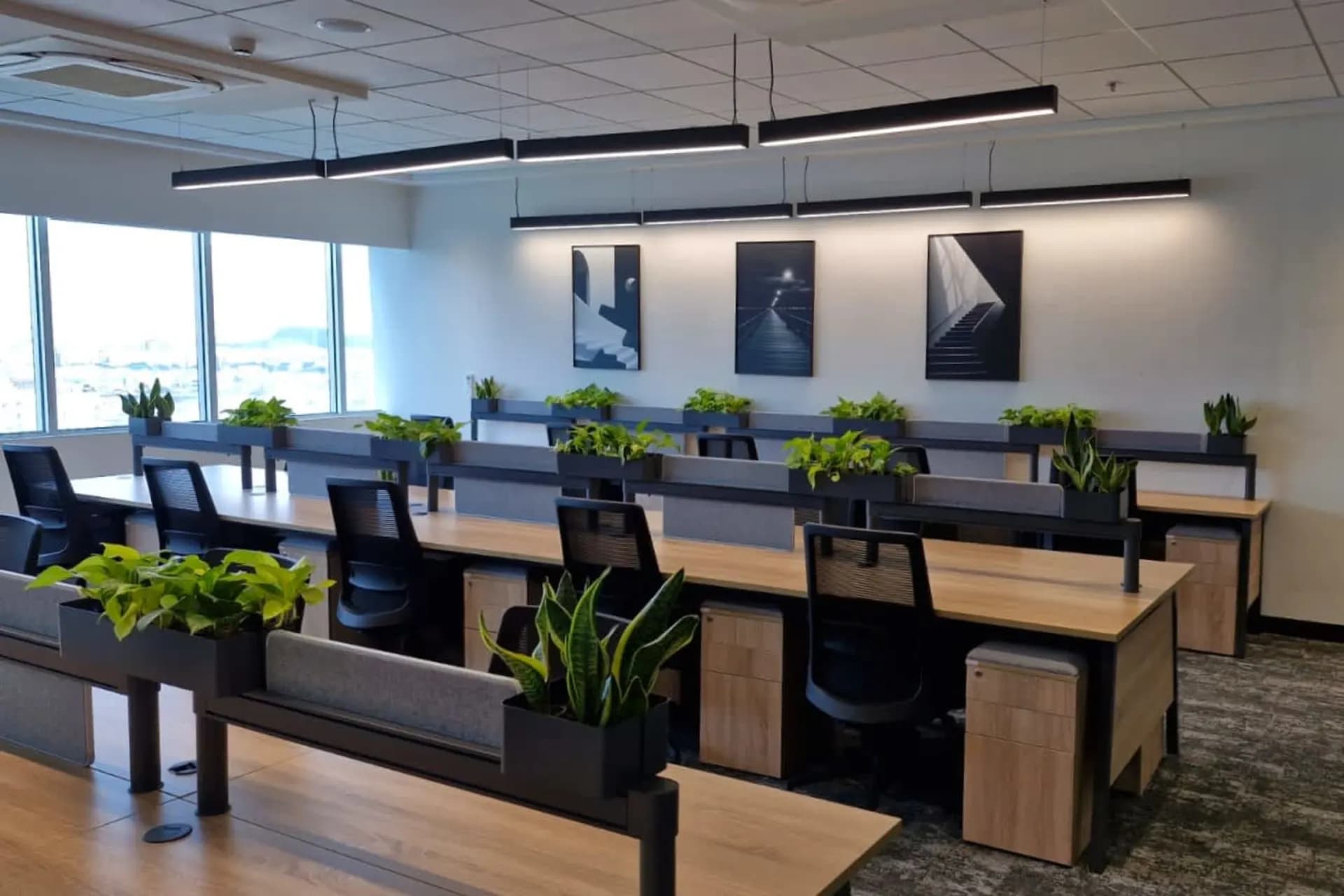
A ready-to-move office is an existing commercial workspace that is already constructed and available for occupation.
Depending on the property, it may be fully furnished, plug-and-play, partially fitted or a bare-shell office within an operational commercial building.
For a GCC entering Pune with an aggressive launch timeline, ready-to-move space can significantly reduce the time between signing a lease and starting operations.
It can also help companies avoid the time and complexity involved in designing and executing a completely new workplace.
What Is Built-to-Suit Office Space?
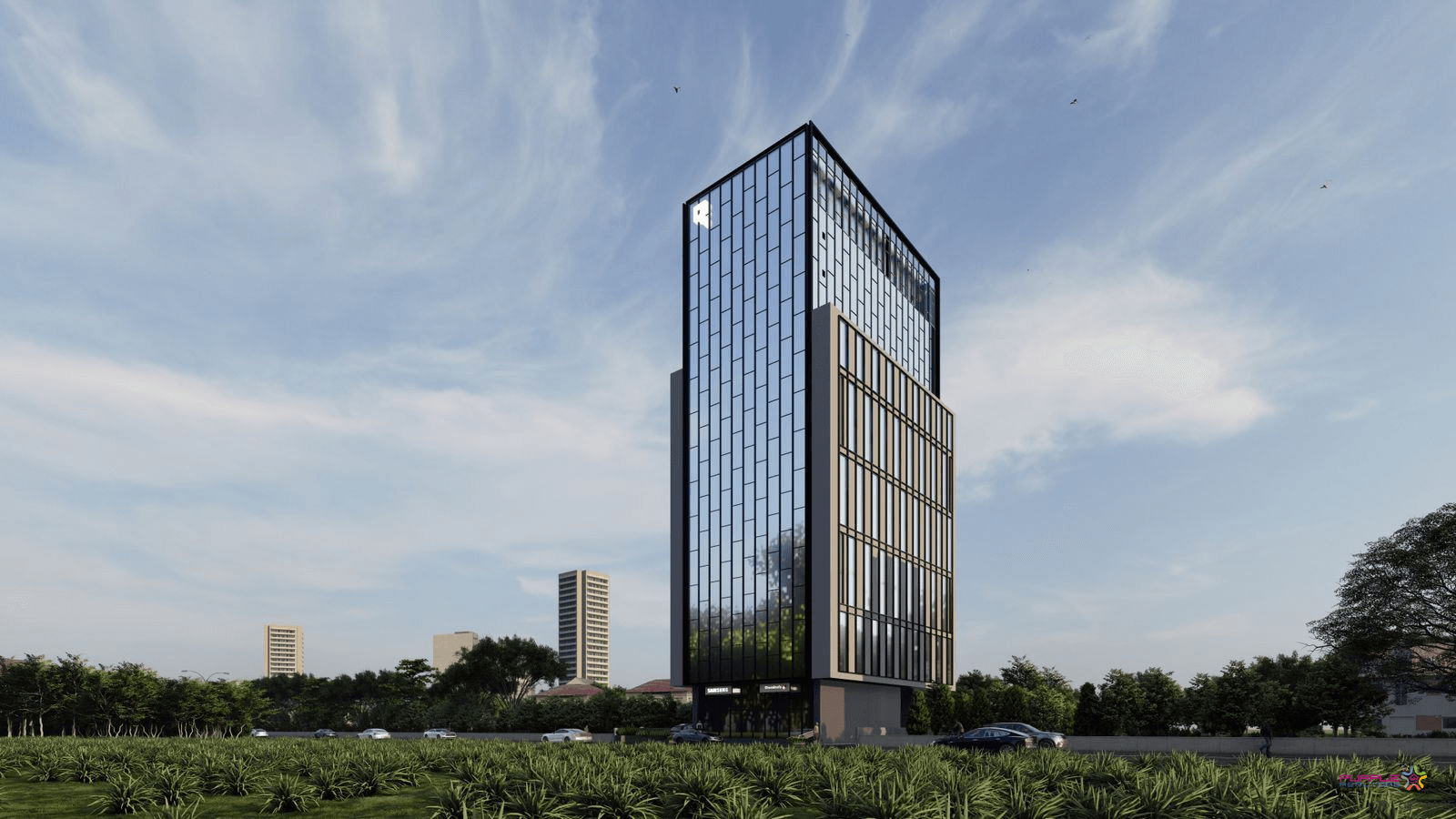
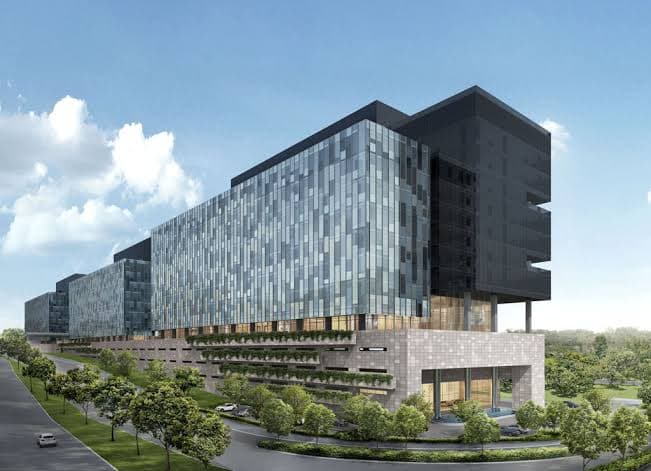
Built-to-suit, or BTS, means the office is developed or customised around the occupier's specific requirements.
A GCC can plan aspects such as:
- Workstation configuration
- Meeting and conference rooms
- Collaboration areas
- Security zones
- Server and technology infrastructure
- Executive areas
- Employee amenities
- Branding
- Sustainability requirements
- Future expansion
For a large GCC planning to remain in Pune for many years, this level of customisation can provide significant advantages.
Ready-to-Move: When Does It Make Sense?
The biggest advantage of a ready-to-move office is speed.
A new GCC may need to establish operations quickly, hire employees and begin serving global teams. Waiting several months or years for a customised facility may not fit the company's expansion timeline.
A ready-to-move office can allow a company to:
- Start operations faster
- Begin hiring sooner
- Reduce initial project complexity
- Test a particular Pune micro-market
- Avoid a lengthy construction process
- Scale gradually
For companies establishing their first Pune team, a managed or plug-and-play office can also provide flexibility while the long-term real estate strategy is being finalised.
Ready-to-move is generally better when speed is the priority.
Built-to-Suit: When Does It Make Sense?
Built-to-suit becomes more attractive when a GCC has specific workplace requirements and a long-term commitment to a location.
For example, a technology, engineering, financial services or R&D-focused GCC may require specialised infrastructure that is difficult to accommodate in an existing office.
A built-to-suit facility can be designed around the company's exact operational model.
It can also incorporate the company's long-term requirements from the beginning, rather than adapting an existing floor plan.
Built-to-suit is generally better when customisation and long-term control are the priorities.
What About Cost?
Companies should avoid comparing the two options only on rent per sq. ft.
The real calculation should include the total cost of occupancy.
For a ready-to-move office, companies should consider:
- Rent
- Fit-out requirements
- Furniture
- IT infrastructure
- Security
- Maintenance
- Parking
- Expansion costs
For a built-to-suit facility, companies also need to consider:
- Design and development
- Construction timeline
- Fit-out
- Project management
- Financing or development commitments
- Long-term lease obligations
A higher rent does not necessarily mean a more expensive office. Similarly, a lower rent does not automatically mean lower total occupancy costs.
Scalability Is Critical for GCCs
A GCC may start with 200 employees and grow to 1,000 or more.
Therefore, companies should ask:
What happens when we need another 20,000 sq. ft.?
Before selecting a ready-to-move office, check whether additional floors or adjacent space can be secured.
For a built-to-suit project, expansion can potentially be incorporated into the original workplace strategy.
This makes future availability just as important as today's available area.
Location Still Comes First
Whether a company chooses ready-to-move or built-to-suit, location remains one of the most important decisions.
Pune's major commercial markets such as Kharadi, Hinjewadi, Baner-Balewadi and Hadapsar offer different advantages in terms of employee catchments, connectivity, office supply and surrounding infrastructure.
A GCC should evaluate:
- Where employees live
- Access to public transportation
- Airport connectivity
- Availability of Grade A buildings
- Parking
- Nearby residential areas
- Restaurants and amenities
- Future office supply
A perfectly customised office in the wrong location can create more problems than a well-planned ready-to-move office in the right location.
Should a New GCC Choose Ready-to-Move or Built-to-Suit?
For a company entering Pune for the first time, ready-to-move space can often be the more practical starting point.
It allows the company to establish operations quickly while understanding employee preferences, hiring patterns and future space requirements.
For an established GCC requiring 50,000–100,000+ sq. ft., built-to-suit can become more attractive when the company has predictable growth, specialised infrastructure requirements and a long-term commitment to the location.
The Hybrid Approach
GCCs don't always have to choose only one option.
A hybrid strategy can provide the best of both approaches.
A company could initially occupy a ready-to-move or managed office, establish its Pune operations and then transition into a larger customised facility as the team grows.
This approach can reduce the initial risk while allowing the company to plan a long-term workplace strategy.
What Should a GCC Evaluate Before Making the Decision?
Before choosing an office, corporate real estate teams should evaluate:
- Employee headcount
- Expected 3–5 year growth
- Required office area
- Floor plate size
- Move-in timeline
- Fit-out budget
- Lease tenure
- Expansion availability
- Technology and security requirements
- Employee commute patterns
- Building infrastructure
- Sustainability requirements
The objective should not simply be to find an office.
It should be to find an office that works for the GCC today and can support its growth tomorrow.
Final Verdict
Choose ready-to-move if speed, flexibility and faster market entry are your priorities.
Choose built-to-suit if customisation, specialised infrastructure and long-term control are more important.
For many GCCs entering Pune, the most practical solution may be to start with a high-quality ready-to-move or managed office while simultaneously planning for a larger long-term facility.
With Pune continuing to attract GCC and enterprise occupiers, companies have an increasing range of options across its major commercial corridors.
Planning a GCC Office in Pune?
Which Floor Realty helps companies explore ready-to-move, managed, conventional and built-to-suit commercial office spaces across Pune.
If your requirement is 20,000–100,000+ sq. ft., share your requirement with WhichFloor and get suitable options based on your location, size, budget and timeline.
Frequently Asked Questions
Common queries related to commercial real estate & office leasing.