Why Grade A Office Spaces in Pune Are Attracting Institutional Investors
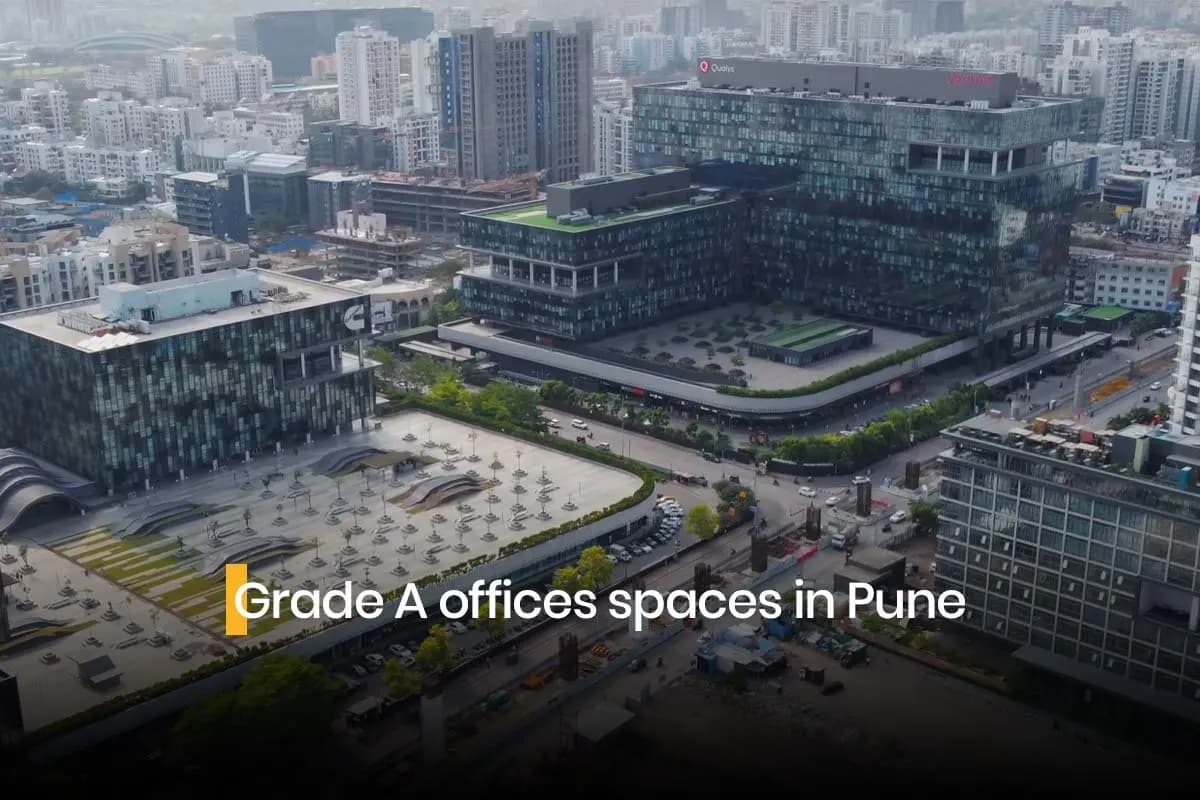
Pune’s commercial real estate market is entering a mature, institutional phase. Global pension funds, sovereign wealth funds, private equity firms, and REITs are steadily increasing allocations to Grade A office assets across the city.
This shift is not speculative. It is backed by strong tenant demand, attractive yields, long lease tenures, and improving infrastructure fundamentals.
What Defines a Grade A Office?
Grade A buildings represent the highest-quality commercial assets in the market. They typically offer:
- Prime locations in established business corridors
- Modern construction with large, efficient floor plates
- High parking ratios and advanced security systems
- Retail, F&B and lifestyle amenities within the campus
- Green certifications such as LEED or IGBC
- Professional institutional-grade property management
For institutional investors, these attributes translate directly into lower risk, higher occupancy, and better liquidity at exit.
1. Strong and Diversified Tenant Base
Pune is home to major IT/ITeS companies, Global Capability Centres (GCCs), engineering firms, BFSI institutions, and R&D hubs. This diversified demand reduces concentration risk.
Companies increasingly prefer newer Grade A buildings to support hybrid work models and employee retention strategies. This sustains long-term absorption of premium office stock.
2. Attractive and Predictable Yields
Institutional investors evaluate office assets primarily through income metrics.
Grade A offices in Pune typically deliver competitive cap rates compared to Mumbai or Bengaluru, while still maintaining strong tenant covenants.
Additionally, long-term leases often include escalation clauses:
This built-in rent growth provides inflation protection and predictable cash flow expansion over time.
3. Infrastructure Tailwinds
Major infrastructure projects are materially improving connectivity and long-term asset value:
- Pune Metro expansion
- Ring Road development
- Airport upgrades
- Highway connectivity improvements
Improved accessibility supports higher occupancy and rental growth, which directly enhances Net Operating Income and long-term asset valuation.
4. REIT-Ready Assets
The rise of listed REITs in India has created structured exit routes for institutional investors. Grade A office portfolios are ideal REIT candidates due to:
- High occupancy levels (often 85–95%+)
- Multi-year lease tenures
- Creditworthy multinational tenants
- Institutional-grade compliance and transparency
This improves liquidity — a critical factor for large capital allocations.
5. Defensive Characteristics in Volatile Markets
During uncertain economic cycles, institutional capital tends to consolidate into high-quality assets. Grade A offices function as defensive investments because:
- Blue-chip tenants honor lease commitments
- Escalation clauses protect real income
- Vacancy risk is lower in prime corridors
In essence, capital flows toward stability — and Grade A assets provide it.
Where Institutional Capital Is Concentrated
Hinjawadi: Pune’s largest IT cluster with scalable campus-style developments.
Kharadi: Strong airport proximity, World Trade Center presence, and premium Grade A inventory.
Baner–Balewadi: A mixed-use ecosystem with strong live-work-play appeal.
Why This Trend Is Structural, Not Cyclical
Institutional investors prioritize:
- Stable Net Operating Income
- Long lease tenures
- Infrastructure-led growth corridors
- Exit liquidity via REIT markets
Pune’s Grade A office segment satisfies these criteria consistently. That is why capital allocation into the city is increasing — not as a short-term play, but as a long-term portfolio strategy.
Final Takeaway
Pune offers a rare combination of demand depth, attractive cap rates, improving infrastructure, and institutional-grade developments. For large investors seeking stable income with appreciation potential, Grade A offices in Pune represent a compelling allocation within India’s commercial real estate landscape.
Disclaimer: Informational purposes only. Not financial or investment advice. Verify market data independently and consult certified professionals before making investment decisions.