Why Location Still Beats Amenities in Pune’s Commercial Real Estate Market
Imagine this.
Two office spaces are available for lease in Pune.
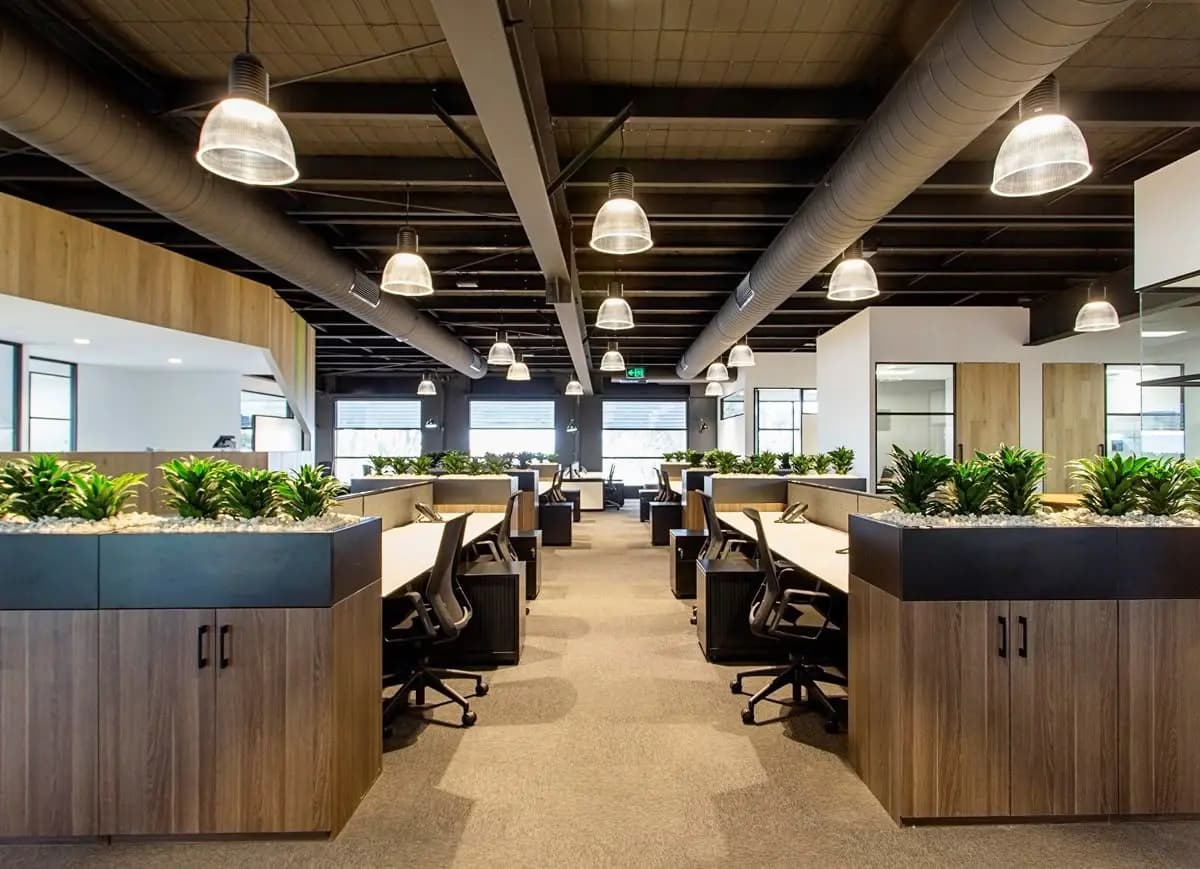
The first is a stunning, newly built office with premium interiors, café-style breakout areas, a gym, and high-end meeting rooms. Everything looks impressive on paper. The only downside? It is located far from major business hubs, with long commute times and limited public transport access.
The second option is a simpler office building. The interiors are functional, not flashy. Amenities are basic. But it sits right inside a high-demand commercial micro-market, close to IT parks, Metro connectivity, major roads, and talent hubs.
For most businesses, the choice is clear.
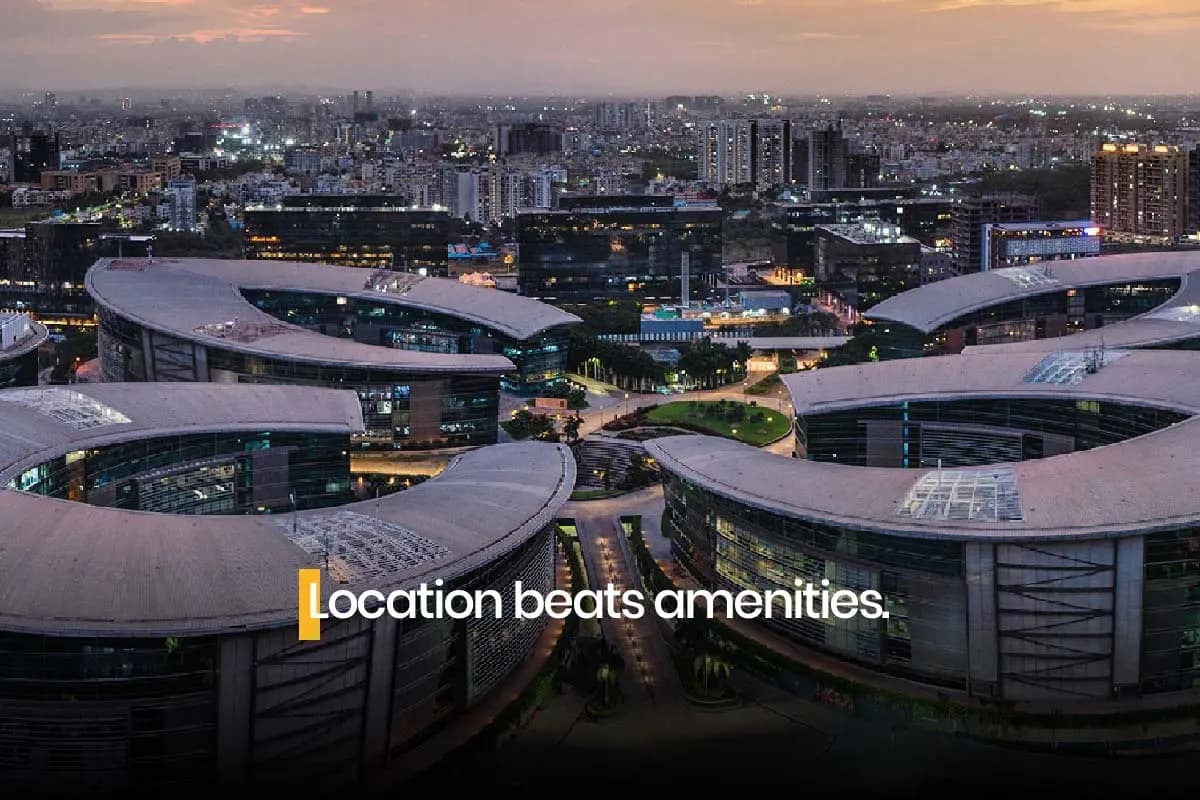
In commercial real estate, location consistently outperforms amenities. Especially in a city like Pune, where office demand is driven by talent movement, connectivity, and business ecosystems.
The One Thing You Can Never Change: Location
In commercial real estate, you can upgrade almost everything. You can redesign interiors, add meeting rooms, improve facilities, or even convert a traditional office into a managed workspace.
But you cannot move an office building to a better micro-market.
That single fact makes location the most permanent and powerful driver of value in Pune’s commercial property market.
1. Daily Commute Matters More Than Fancy Amenities
For employees, the office commute happens every working day. An office located in strong micro-markets like Baner, Kharadi, Hinjewadi, or Hadapsar reduces travel time, stress, and attrition.
Employees value offices that are closer to home, Metro routes, highways, and public transport. A gym inside the building may look attractive, but many employees would trade it instantly for a 20-minute shorter commute.
For companies, better location means:
- Higher employee satisfaction
- Lower attrition
- Easier hiring
In Pune’s competitive talent market, time saved is a real business advantage.
2. The Commercial Micro-Market Is the Real Amenity
In commercial real estate, the surrounding micro-market acts as an extended amenity.
A well-located office gives access to:
- Cafes, restaurants, and retail zones
- Business hotels and client meeting spaces
- Banks and essential service providers
- Other offices, startups, and corporate ecosystems
You cannot replicate this environment inside a single building.
An office in Kharadi or Baner automatically becomes part of a larger business ecosystem. This improves networking opportunities, enhances brand perception, and streamlines daily operations.
A building can offer meeting rooms. A micro-market offers business momentum.
3. Location Drives Long-Term Commercial Value
Amenities depreciate. Location appreciates.
Office interiors age. Fit-outs become outdated. Facilities require upgrades. Their value declines over time.
But commercial property in high-demand micro-markets gains value as job density increases, infrastructure improves, and office demand grows.
This is why offices in established commercial zones in Pune command higher rentals and maintain better occupancy rates — even if the buildings themselves are older.
The Amenity Trap
Amenities do matter, but only after location checks the box.
Businesses that choose poorly located offices purely because they look impressive often face:
- Higher employee drop-offs
- Difficulty attracting talent
- Lower long-term rental sustainability
- Higher vacancy risk
The initial shine fades quickly when daily travel becomes inconvenient for employees and clients.
In commercial real estate, function consistently beats flash.
The Ideal Scenario: Location First, Amenities Second
The strongest commercial properties combine both — a prime micro-market with efficient amenities.
But when forced to choose, location should always come first.
A basic office in a prime commercial hub can always be upgraded. A premium office in a weak location remains limited.
You can redesign interiors. You cannot redesign the surrounding city.
Final Thought: Start With the Micro-Market
When choosing a commercial space in Pune, begin with the fundamentals:
- Where are your employees commuting from?
- How accessible is the location via road and Metro?
- Is the area recognized as a business hub?
Once the location is right, amenities become a bonus — not a dependency.
In Pune’s commercial real estate landscape, location is not just a factor; it is the foundation. It shapes employee experience, brand positioning, rental value, and long-term growth.
Because in the end, you can install better interiors — but you cannot install a better location.