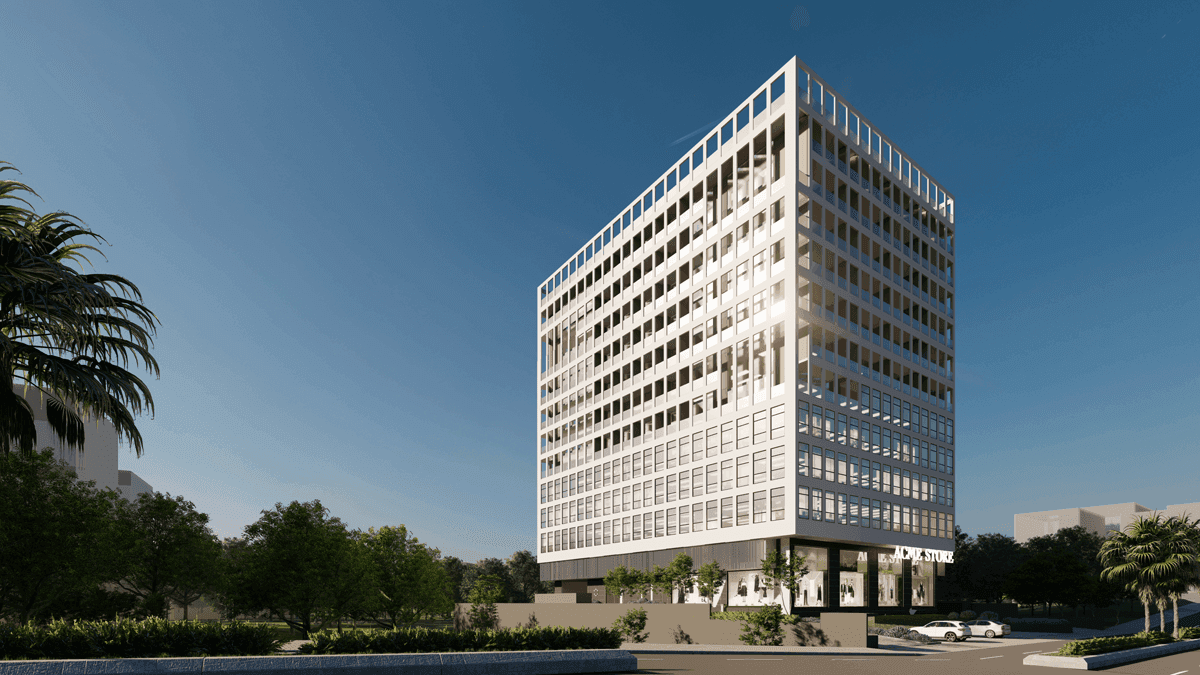
Grade A+ Specifications GCCs Demand And Why Older Pune Stock Can't Compete
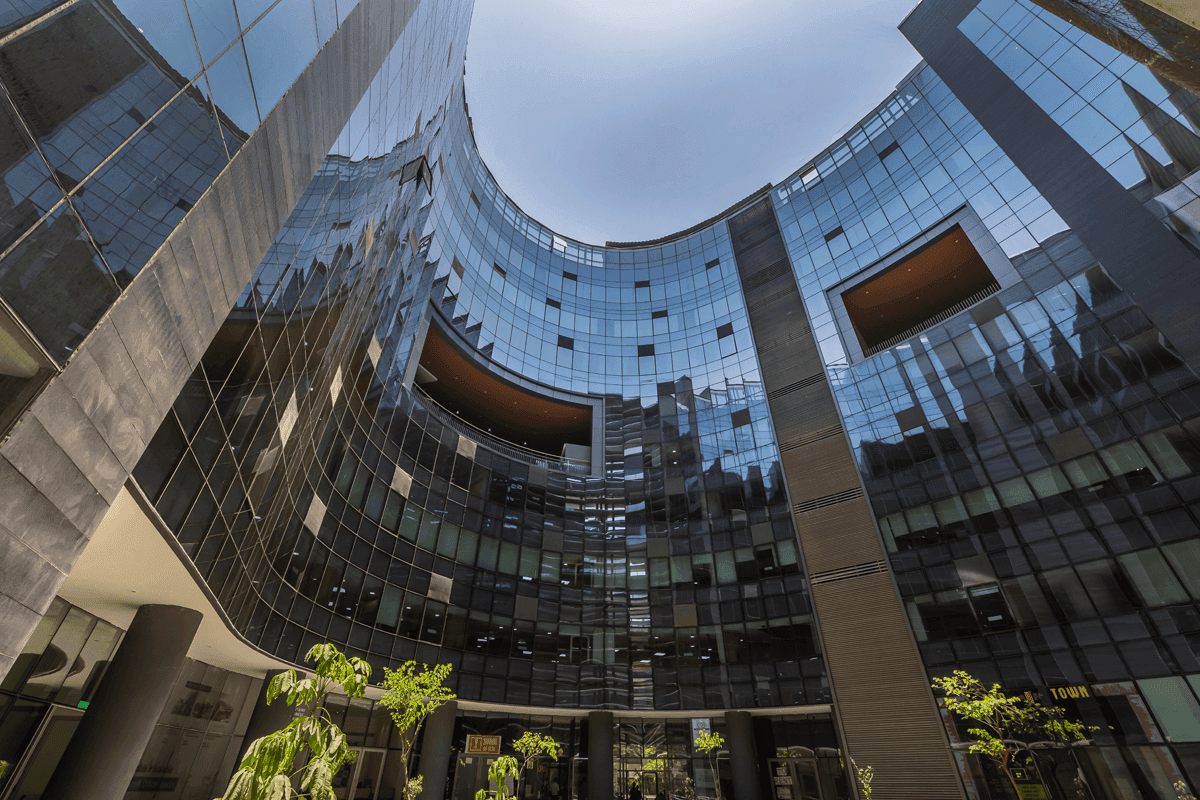
Pune's office story right now is really a GCC story. Global Capability Centres account for more than half of all Grade A office space absorption in the city the highest share of any major Indian market and that demand is running on a specification checklist most older buildings simply can't meet. If you're a landlord sitting on a 15-year-old asset, or a tenant trying to understand why some buildings quote a premium rent and others don't even come up in the shortlist, this is the checklist doing the filtering.
The GCC procurement brief isn't negotiable the way a typical lease is
Most commercial tenants negotiate on price first and specification second. GCCs largely do the opposite. Global HQs issue a procurement brief with pass/fail criteria, and a building that fails even one line item often doesn't make it to a site visit, regardless of rent. The core requirements showing up across GCC briefs in 2026 are consistent:
Green certification is table stakes, not a differentiator. LEED Gold or Platinum, or the IGBC equivalent, is now a baseline filter. A large share of current GCC-eligible leasing is happening in certified buildings only an uncertified building is competing for a shrinking pool of tenants who don't require it, and that pool is getting smaller every quarter as GCC share of demand grows.
Large, contiguous floor plates. GCCs typically need 20,000-50,000 sq ft on a single floor, uninterrupted by structural columns, so they can lay out open workstations, collaboration zones and conference rooms without breaking a team across floors. Most buildings older than a decade in Pune were designed around smaller, column-heavy floor plates that simply can't be reconfigured to this scale.
Room to grow in place. Beyond the initial floor, GCCs want confirmed expansion space in the same building or campus. A GCC that starts at 300 seats and scales to 1,500 within two years a pattern that's become common in Pune needs a landlord who can accommodate that growth without a relocation.
Power and connectivity built for round-the-clock operations. GCCs run against US, UK, and Singapore time zones, so uninterrupted power isn't a nice-to-have it's 100% backup with redundant generators and UPS for server rooms, plus dual ISP connections with automatic failover. Older buildings built for a single-shift Indian workday were never engineered for this load.
Taller floor-to-ceiling heights. GCC fit-outs pack in dense HVAC, cable management, and raised flooring, which needs more vertical clearance than a standard IT services office. Newer Grade A stock is increasingly building to noticeably higher ceiling heights specifically to accommodate this.
Current fire, occupancy, and safety certifications, held current not "approved a decade ago and never renewed."
Longer lease commitments with structured flexibility. GCCs typically want 5-7 year terms with break clauses at year 3 or year 5 a commitment landlords are happy to give, but one that requires the building to actually be fit to occupy for that entire term without a mid-lease refit.
Why this leaves older Pune stock stranded
None of this is really about a building's age on paper it's about whether it was designed for a workforce and operating model that didn't exist when it was built. A building from the mid-2010s was designed for a different tenant: smaller floor plates, single-shift power loads, and a certification standard nobody was asking for yet. Retrofitting green certification, floor plate consolidation, and 100% power redundancy into an occupied building is expensive and disruptive in a way that new construction simply avoids.
The result is a widening gap rather than a shrinking one. Certified, large-floor-plate stock in corridors like Kharadi, Baner, Hinjewadi, and Wakad is being absorbed faster than it's being built, which keeps vacancy tight for compliant buildings and rents on a steady upward path while older, non-compliant stock is left competing purely on price for a shrinking tenant pool that doesn't need GCC-grade specs.
What this means depending on where you sit
If you're a landlord with an older asset, the honest question isn't whether to renovate cosmetically it's whether the floor plate and power infrastructure can realistically be brought up to GCC-eligible standard at all, or whether the building's future is with a different, non-GCC tenant base entirely.
If you're a GCC or a company evaluating Pune for the first time, the specification list matters more than the address. A building in the right micro-market that fails on floor plate contiguity or power redundancy will cost you a mid-lease relocation later a much more expensive problem than paying a premium upfront for a building that's actually built for how you operate.
This is where zero-brokerage, tenant-only representation earns its keep: an advisor working only for the occupier has no reason to push a building that looks right on the surface but fails the specification checklist that actually matters six months into a lease.
Evaluating a GCC site in Pune, or wondering if your building meets today's Grade A+ bar? Talk to Which Floor for zero-brokerage, tenant-side guidance → whichfloor.in/contact
-(1).jpg&w=3840&q=75)
.jpg&w=3840&q=75)